
The human body frequently becomes a silent battlefield for stress and exhaustion in a world that rarely stops moving, where our lives are packed with back-to-back obligations, high-pressure settings, and continual digital stimulation. Every step of our hectic days is supported by our feet, which are the basis of our physical existence. They absorb the strain of daily activities, balance our movements, and support our body weight. Ironically, though, they rank among our body's most neglected and undervalued components.
How often do we take the time to take care of our feet or even recognise the weight they carry? We rarely give them the time or attention they need, we put them in tight shoes, we walk on hard surfaces, and we stand for hours on end without taking breaks. This neglect may eventually manifest as physical imbalances, poor circulation, and even chronic pain, in addition to aches or exhaustion. Thankfully, foot massage is one of the easiest and most effective methods to improve circulation, comfort, and vitality in the feet, and consequently, throughout the body.
A foot massage is much more than a luxury experience or a spa treatment. For thousands of years, it has been a vital component of traditional medicine in many countries, and it is a deeply healing and revered practice. Pictographs from the ancient Egyptians, who lived more than 4,000 years ago, demonstrate how foot massage was used in therapeutic practices. Every organ in the body has reflex sites on the foot, which are regarded as essential energy zones in traditional Chinese medicine.
Foot massage is becoming more popular in today's wellness scene due to its therapeutic advantages as well as its capacity to provide deep emotional and physical relaxation. Something as relatively simple as a 30-minute foot massage may make a big difference in a time when stress-related disorders, burnout, and worry are rampant. It can relieve physical tension, calm the mind, and bring us back to the present.
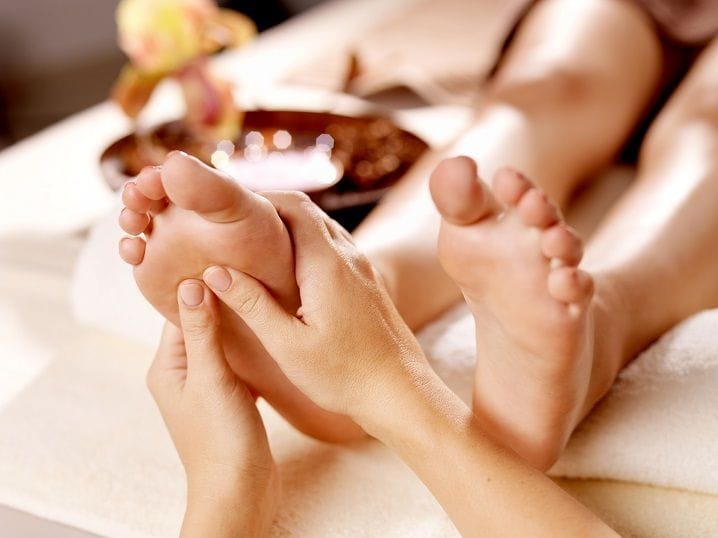
Additionally, foot massage is available. This treatment provides quick gratification with long-lasting outcomes, in contrast to many health approaches that call for significant effort or lifestyle modifications. Foot massage gives everyone, young or old, busy or retired, a chance to re-establish a connection with their body and promote their health, whether it is done by a licensed therapist or done mindfully at home.
We will take you through every aspect of foot massage in this book, from its intriguing history throughout the world to the complex anatomy of the foot, from common massage techniques to the numerous advantages it provides for mental, emotional, and physical well-being. Additionally, you'll discover how to incorporate foot massage into your own wellness regimen and how it can help with specific ailments like plantar fasciitis, sleeplessness, stress, or exhaustion.
You might have a completely different perspective on your feet by the end. You'll see how something that is so frequently disregarded has enormous potential to improve immunity, ease pain, restore equilibrium, and promote relaxation. Because taking good care of your feet helps you ground yourself gradually into a more conscious, active, and healthy life in addition to releasing tension.
Although the feet may appear to be a minor and unremarkable body part, they are closely related to our general health. Our feet carry the weight of our bodies, transport us from one location to another, and take on the stress of our everyday tasks. In addition to providing relief for weary, aching feet, a therapeutic foot massage can have significant mental and physical health benefits.
Foot massage is a straightforward yet effective treatment, regardless of whether you're standing for extended periods of time, wearing uncomfortable shoes, or just need a little relaxation. The world of foot massage will be covered in this tutorial, along with its types, advantages, and reasons it's not only a luxury.
Benefits of Foot Massage
1. Relieves Stress and Anxiety
A foot massage helps the body relax and unwind by stimulating the parasympathetic nervous system. At the end of the day, a 30- to 60-minute foot massage can significantly reduce stress hormones and elevate mood.
2. Improves Blood Circulation
Blood flow is increased when the feet are massaged, particularly to the extremities. Those who have poor circulation as a result of diabetes, sedentary lifestyles, or cold temperatures may find this very helpful.
3. Promotes Better Sleep
Massages of the feet, especially before bed, can increase the length and quality of sleep. It helps the body enter a state of rest by calming the nervous system.
4. Alleviates Pain and Discomfort
Chronic foot discomfort brought on by ailments like plantar fasciitis, heel spurs, arthritis, and neuropathy can be reduced with regular foot massage. Additionally, it lessens muscle discomfort from prolonged standing or walking.
5. Boosts Immunity
Foot massage can boost the body's immunity and resistance to disease by lowering stress and promoting lymphatic drainage.
6. Balances Hormones
The hormone-regulating endocrine system can be impacted by foot massage. Women who suffer from PMS, menopause symptoms, or hormonal abnormalities can especially benefit from this.
7. Detoxification
By stimulating the lymphatic system, specific foot massage techniques can aid in the elimination of toxins and the promotion of internal cleansing.
8. Improves Mood and Mental Health
Endorphins, the body's natural feel-good chemicals, are released when the feet are massaged, which improves mood and emotional health.
Types of Foot Massage
1. Swedish Foot Massage
This technique improves circulation and relaxes muscles by using rhythmic tapping, kneading, and long, gentle strokes. Beginners or those looking to unwind will love it.
2. Reflexology
Reflexology is a more focused method that concentrates on particular pressure points on the feet that represent bodily functions and systems. In order to activate these areas and provide therapeutic benefits beyond the feet, practitioners employ thumb and finger methods.
3. Thai Foot Massage
This technique, which has its roots in traditional Thai medicine, incorporates energy line stimulation, stretches, and acupressure. Wooden sticks are frequently used to exert intense pressure on certain areas.
Common Techniques Used in Foot Massage
- Effleurage: Light strokes using the palm or fingers to warm up the foot muscles and enhance relaxation.
- Petrissage: Kneading motion to release tension and improve blood flow.
- Circular thumb movements: Used to target pressure points and knots.
- Friction: Rubbing with pressure to break down adhesions in tissues.
- Tapping and Percussion: To activate nerves, tap quickly and rhythmically with your fingertips.
- Toe stretching and flexing: Improves flexibility and releases tension in the toe joints.
What to Expect During a Foot Massage Session
A typical foot massage session may last between 20 to 60 minutes. Here’s what generally happens:
- Consultation – A quick discussion to understand any pain points or preferences.
- Cleansing – The feet are cleaned using warm towels or a quick soak.
- Application of Oil or Cream – A soothing balm or essential oil is applied.
- Massage Begins – The therapist works from the toes down to the heel and ankle.
- Pressure Point Focus – Specific reflex points are stimulated depending on the type of massage.
- Finishing Touch – The session ends with a relaxing rub or cooling spray.
Who Should Avoid Foot Massage?
Though foot massage is generally safe, it should be avoided or modified in certain cases:
- Pregnancy (early stages): Some reflex points may induce contractions — always consult a doctor.
- Deep vein thrombosis (DVT): Risk of dislodging a blood clot.
- Open wounds or infections: Massage can spread bacteria or worsen the injury.
- Severe osteoporosis or fractures
- Uncontrolled diabetes with nerve damage
Always consult with a healthcare professional if unsure.
Incorporating Foot Massage Into Wellness Routines
Adding foot massage to your regular wellness routine doesn’t require much time or effort. You can:
- Book weekly or biweekly sessions with a therapist.
- Practice self-massage in the evening to unwind.
- Pair it with other treatments like body massage, reflexology, or aromatherapy.
- Use foot massage as a mindfulness practice — focusing on sensation, breathing, and relaxation.
Conclusion
A foot massage is a tremendous tool for healing and overall wellness, and it goes far beyond simple pampering. The advantages extend well beyond the foot and include increased mental wellness and better circulation. Your feet — and your entire body — will benefit from a traditional Thai treatment, a targeted reflexology session, or a mild Swedish massage.
Give your feet the attention they need the next time they hurt after a hard day. Restoring balance from the ground up, relaxing your body, and calming your mind can all be achieved with a simple foot massage. It might be the most fulfilling part of your day.
The feet may appear to be a minor part of the human body's vast structure, frequently concealed under tables, tucked away in shoes, or stretched to their limits without much recognition. But if you look more closely, you can see that our feet are much more than just a way to move around. They serve as the body's unsung heroes, bearing our weight, maintaining our posture, absorbing the effects of life, and keeping us rooted to the ground.
Our feet are always in use, from the time we take our first steps as babies until the conclusion of every exhausting day. However, they are frequently the body area that is neglected the most. We usually ignore them until we are in pain or exhausted. However, foot massage serves as a profound reminder that connection, wellness, and healing frequently start at the ground up.
A foot massage is more than just a way to unwind physically. It's a reunion ritual. It raises awareness of the base of our body, where tension, strain, and stagnation frequently settle and thousands of nerve endings converge. A foot massage encourages the body to relax by using repetitive movements, gentle pressure, and purposeful touch. It slows breathing, soothes the mind, and signals the nervous system that it's okay to unwind. It relieves tension throughout the body, not just in the feet.
What makes foot massage particularly magical is its versatility. It can be both luxurious and therapeutic, ancient and modern, simple and profound. Whether you’re a busy executive dealing with mental fatigue, a new mother seeking peace and restoration, an athlete recovering from physical exertion, or simply someone who wants to feel cared for — foot massage is universally beneficial. It doesn’t discriminate. It welcomes everybody, every age, every lifestyle.
Taking care of the feet is a metaphor for something deeper: grounding, centring, and appreciating our journey. In addition to relieving pain, foot massage recognises the journey we've travelled, the weight we've carried, and the importance of pausing to rest, breathe, and refocus. By telling ourselves, "You deserve care," You deserve to be comforted. You deserve to feel wonderful from the bottom up.
Foot massage is a ritual as well as a treatment. When we need to heal, we go to it, and when we want to feel complete, we go back to it. Foot massage is a powerful reminder that wellbeing doesn't always require extravagant gestures, whether it is received in the calm of your own home, at a tranquil spa, or under the expert hands of a licensed therapist. Taking off your shoes, sitting down, and focusing on the part of you that never stops moving can sometimes be the first step.
Allow this to be your invitation to take things easy, re-establish a connection, and discover the restorative potential of your own foundation. Make room for this age-old practice in your daily schedule, self-care routines, and heart. Because your body feels lighter, your mind clearer, and your spirit more grounded when your feet are at ease.
Ultimately, a foot massage is more than just foot care. One step, one breath, one touch at a time, it's about honouring your entire journey.
0 Comments