
The lymphatic system is one of the most underestimated yet crucial systems in the complex network that keeps the human body operating at its best. This intricate system, sometimes referred to as the body's quiet guardian, is responsible for maintaining fluid balance, eliminating waste from cells, delivering nutrients, and playing a vital role in immunological defense. In contrast to the circulatory system, which relies on the heart to pump blood, the lymphatic system lacks a central pump and instead relies on breathing, muscle contractions, body movement, and occasionally external stimuli to maintain the flow of lymph fluid.
Numerous problems, including oedema, water retention, puffiness, chronic weariness, poor skin tone, a compromised immune system, and even limb pain, can arise when this flow slows down or becomes blocked. The causes might be anything from stress, bad posture, and a sedentary lifestyle to more serious issues, including surgery, injuries, or specific medical diseases. A slow lymphatic system might eventually impact not only your physical well-being but also your general vigour and beauty.
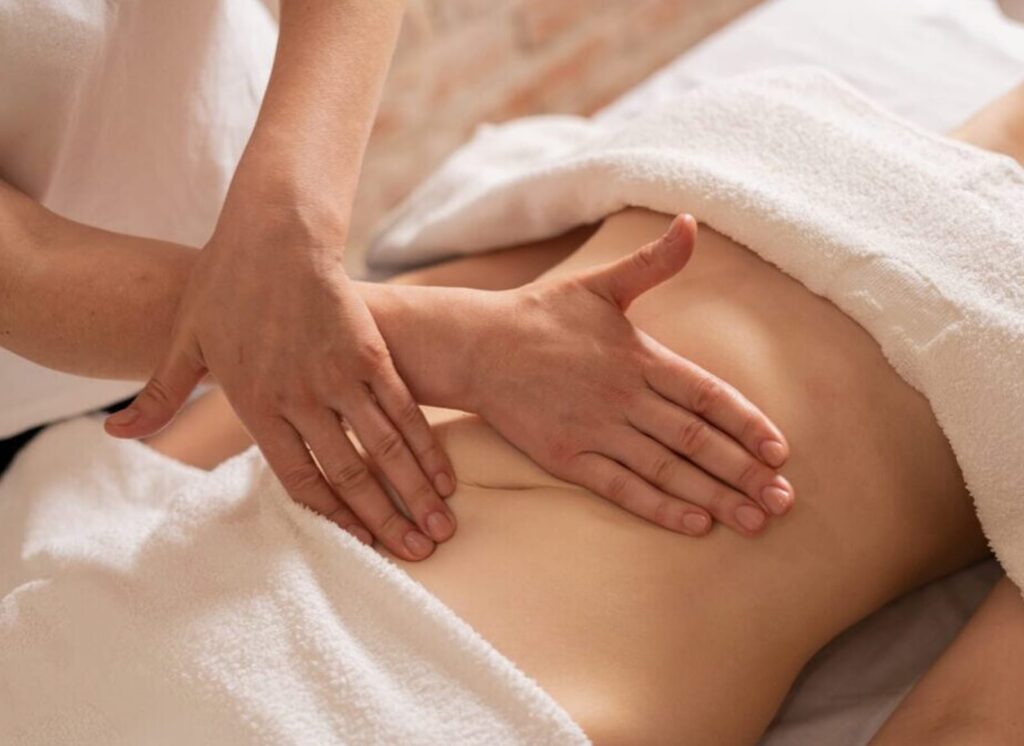
A specialised therapy method called lymphatic drainage, or Manual Lymphatic Drainage (MLD), was created to combat this stagnation. By stimulating lymph vessels just beneath the skin's surface with slow, gentle, and precise rhythmic movements, lymphatic drainage directs fluid towards lymph nodes where waste products, pathogens, and toxins can be filtered and evacuated. This procedure enhances circulation, speeds up healing, lowers inflammation, and fosters a deep sensation of relaxation in addition to supporting the body's natural cleansing.
The advantages of lymphatic drainage are not limited to the therapeutic setting. It is frequently advised in medical settings for post-operative recuperation, especially following cosmetic surgeries like facelifts, stomach tucks, or liposuction, in order to minimise oedema, avoid fibrosis, and improve outcomes. It is praised for its anti-aging, contour-enhancing, and skin-brightening properties in health and beauty settings. It helps athletes recover more quickly and avoid injury, and it provides significant pain relief for people with long-term illnesses like fibromyalgia or lymphoedema.
Lymphatic drainage has become a popular therapeutic and preventive technique in today's modern lifestyle, when stress, environmental pollutants, and physical inactivity can all hurt our health. This gentle yet effective therapy offers a comprehensive route to improved health and wellbeing, whether your goals are to increase your immunity, assist your body's natural detoxification processes, speed up your recuperation, or just feel lighter and more energised.
A gentle, therapeutic method called lymphatic drainage is intended to activate the lymphatic system, an essential but frequently disregarded bodily component that keeps fluid balance, boosts immunity, and eliminates waste. The lymphatic system uses physical stimulation, breathing, and muscle contractions to transfer lymph fluid throughout the body, in contrast to the circulatory system, which uses the heart to pump blood.
A sedentary lifestyle, bad food, disease, surgery, or injury can all slow down lymphatic flow over time, resulting in fluid retention, oedema, weakened immunity, and a lethargic sensation. By employing gentle, rhythmic strokes to guide lymph fluid towards the lymph nodes—where waste and toxins are filtered and processed—lymphatic drainage massage, commonly referred to as Manual Lymphatic Drainage (MLD), helps to treat these issues.
From post-operative recovery and lymphoedema care to cosmetic procedures meant to lessen puffiness and enhance skin tone, this therapy is widely regarded in both medical and wellness contexts. For many people seeking holistic wellness, lymphatic drainage is a necessary practice because it offers advantages beyond relaxing, regardless of whether it is done for aesthetic or health reasons.
Understanding the Lymphatic System
Anatomy of the Lymphatic System
The network of veins, nodes, and organs that make up the lymphatic system cooperate to move lymph, a transparent fluid that is high in proteins, lipids, and white blood cells.
Among its primary constituents are:
- Lymphatic vessels: Thin tubes that carry lymph fluid throughout the body.
- Lymph nodes: Small bean-shaped structures that filter waste, pathogens, and abnormal cells.
- Lymphoid organs: Including the spleen, thymus, and tonsils, which contribute to immune function.
- Lymph fluid: Contains immune cells (lymphocytes) and transports metabolic waste and excess fluids away from tissues.
Functions of the Lymphatic System
- Fluid balance: Prevents excess fluid buildup in tissues (edema).
- Immunity: Produces and circulates white blood cells to fight infections.
- Waste removal: Eliminates toxins, bacteria, and cellular debris.
- Nutrient absorption: Transports fats and fat-soluble vitamins from the digestive system.
What Is Lymphatic Drainage?
The physical therapy method known as lymphatic drainage was created in the 1930s by Danish physiotherapist Dr. Emil Vodder. Slow, gentle, and rhythmic hand movements are used to promote lymph fluid flow towards healthy lymph nodes.
Because lymph vessels are situated just beneath the skin, lymphatic drainage concentrates on manipulating the skin at the surface level as opposed to deep tissue massage. Gentle pressure is used since excessive force can cause the fragile vessels to collapse.
Types of Lymphatic Drainage Techniques
- Manual Lymphatic Drainage (MLD)
- Performed by trained therapists using precise hand movements.
- Often follows specific sequences, starting near the lymph nodes and working outward.
- Performed by trained therapists using precise hand movements.
- Simple Lymphatic Drainage (SLD)
- A simplified form taught to patients for home use, particularly in managing chronic conditions like lymphedema.
- A simplified form taught to patients for home use, particularly in managing chronic conditions like lymphedema.
- Mechanical Lymphatic Drainage
- Involves devices like pneumatic compression sleeves to simulate the pumping action.
- Involves devices like pneumatic compression sleeves to simulate the pumping action.
The Process of Lymphatic Drainage Massage
How It Works
- The therapist starts near major lymph nodes (neck, armpits, groin) to “clear” them.
- Gentle stretching or circular motions are applied along lymph pathways.
- Movements are slow and repetitive to mimic natural lymphatic rhythm.
- Sessions typically last 30–90 minutes, depending on the treatment area.
Areas Commonly Targeted
- Face and neck: Reduces puffiness, promotes clearer skin.
- Arms and legs: Helps with swelling from injury or surgery.
- Abdomen: Supports digestion and detox.
- Post-surgical areas: Assists in reducing scar tissue and swelling.
Health Benefits of Lymphatic Drainage
Reduces Swelling and Fluid Retention
Oedema brought on by surgery, trauma, or extended inactivity can be effectively reduced via lymphatic drainage. Patients who have swelling from tissue stress after surgery can particularly benefit from this.
Strengthens the Immune System
The body responds to illnesses more quickly thanks to lymphatic drainage, which improves lymph fluid circulation and guarantees the effective distribution of immune cells.
Supports Post-Surgical Recovery
Following treatments like liposuction, tummy tucks, or joint replacements, many orthopaedic and plastic surgeons advise lymphatic drainage to promote recovery and reduce problems.
Improves Skin Appearance
The skin receives more oxygen when lymph flow is stimulated, which lessens ageing symptoms like puffiness and dullness. It's widely used in facial and body beautification procedures.
Relieves Chronic Conditions
Frequent sessions are typically helpful for people with migraines, sinus congestion, fibromyalgia, and chronic fatigue.
Promotes Relaxation
The parasympathetic nerve system is activated by the slow, rhythmic strokes, which lower stress hormones and encourage profound relaxation.
Lymphatic Drainage for Specific Conditions
Lymphedema
A long-term illness marked by limb swelling, typically brought on by compromised lymphatic drainage. The key to treating this illness is lymphatic drainage.
Post-Cosmetic Surgery
Enhances surgical outcomes, promotes faster healing, and lessens fibrosis, or tissue stiffening.
Pregnancy and Postpartum
Leg and foot oedema is common in pregnant women. Relief may be obtained with mild lymphatic draining (with doctor clearance).
Sports Recovery
It helps athletes avoid injury, lessen muscle fatigue, and eliminate lactic acid buildup.
Safety and Precautions
Although lymphatic drainage is generally safe, not everyone is a good candidate.
Among the contraindications are:
- Acute infections
- Blood clots or deep vein thrombosis (DVT)
- Heart failure
- Active cancer (unless cleared by a doctor)
- Severe kidney problems
Before beginning any treatment, always get medical advice, especially if you have underlying health issues.
Self-Lymphatic Drainage at Home
For those unable to visit a therapist regularly, simple lymphatic drainage techniques can be performed at home.
Basic steps:
- Start at the neck: Gently stroke down from the jawline toward the collarbone.
- Move to the armpits: Softly push fluid toward the center of the body.
- Work on the legs: Sweep upward from ankles toward the thighs.
- Use light pressure: Avoid pressing too hard; lymph vessels are delicate.
Even light walking, deep breathing, and stretching can naturally encourage lymph flow.
Lifestyle Habits to Support Lymphatic Health
- Stay hydrated: Water helps keep lymph fluid thin and flowing.
- Exercise: Activities like walking, yoga, and swimming stimulate movement.
- Eat a balanced diet: Include antioxidant-rich fruits and vegetables.
- Wear loose clothing: Tight clothes can restrict lymph flow.
- Dry brushing: A gentle method to stimulate lymphatic circulation before showers.
In addition to its medicinal use, lymphatic drainage is a popular treatment for cleansing, skin renewal, and body contouring. For example, a lot of upscale spas in Dubai provide speciality lymphatic massages to customers looking for both well-being and cosmetic improvements.
Aftercare Tips
Following a lymphatic drainage session:
- Drink plenty of water to flush out toxins.
- Avoid alcohol and processed foods for 24–48 hours.
- Rest if feeling lightheaded or tired.
- Engage in light activity like walking to continue stimulating lymph flow.
Conclusion
More than just a soothing spa treatment, lymphatic drainage is an effective way to promote health, speed up healing, and enhance general wellbeing. This therapy helps the body's natural detoxification process, increases immunity, decreases oedema, and improves skin health by gently directing lymph fluid towards the nodes. Lymphatic drainage provides a gentle yet efficient route to improved health, whether you are recuperating from surgery, treating a chronic illness, or just looking to feel lighter and more energised..
Its benefits can be increased by incorporating lymphatic-friendly practices like consistent movement, drinking plenty of water, and practicing attentive self-care. Lymphatic drainage is becoming more widely accepted as a necessary health practice for contemporary living as well as a cosmetic procedure as science continues to emphasise the significance of the lymphatic system.
More than just a soothing therapy, lymphatic drainage is a health-promoting, scientifically supported technique that complements the body's natural functions. It promotes the effective elimination of toxins, extra fluid, and metabolic waste by subtly activating the lymphatic system. It also improves circulation, boosts immunity, and aids in tissue regeneration. The advantages are both immediate and long-lasting, regardless of whether it is applied in a hospital context to speed up recovery following surgery, in a wellness program to enhance general health, or in a spa setting to revitalise and refine the skin.
The adaptability of lymphatic drainage is among its most amazing features. From athletes and post-operative patients to those looking to improve their appearance or get rid of persistent pain, it is appropriate for a broad spectrum of people. Even people who are unable to withstand more intense massage treatments can benefit from its mild, non-invasive nature, which provides a secure and efficient means of re-establishing the body's equilibrium. Clients who attend regular sessions frequently experience significant mental and physical relaxation, clarity in addition to physical benefits, including smoother skin, less oedema, and more vitality.
Lymphatic drainage offers a much-needed reset in a world where stress, environmental pollutants, and sedentary lifestyles may quickly overwhelm the body's natural defences. In addition to encouraging self-care and mindfulness, it serves as a reminder that preserving health involves more than just curing illness; it also entails bolstering the body's systems before issues develop. When coupled with wellness practices like drinking plenty of water, eating a balanced diet, exercising frequently, and maintaining proper posture, lymphatic drainage can become a key component of your long-term fitness plan.
Lymphatic drainage is provided by qualified experts who are aware of its therapeutic and cosmetic possibilities if you're in Dubai or any other city with a wellness emphasis. You are investing in your body's capacity to heal, regenerate, and flourish when you schedule a massage, whether it's to get ready for an event, recuperate from a procedure, or just feel lighter and more energised.
By being aware of and accepting the lymphatic system's contribution to your health, you enable yourself to take charge of your well-being. By doing this, lymphatic drainage transforms from a treatment into a comprehensive means of achieving a better, more energetic lifestyle.
0 Comments