Muscle tension can build up gradually, often becoming part of everyday life before you fully notice it. Long working hours, frequent driving, intensive workouts, poor posture and daily stress may leave your neck, shoulders, back or legs feeling tight and uncomfortable.
For people looking for a more targeted massage experience, deep tissue massage in Dubai has become a popular wellness choice. By applying controlled pressure to deeper layers of muscle and connective tissue, this treatment is designed to address stubborn tension and promote a greater sense of physical relaxation.
What Is Deep Tissue Massage?
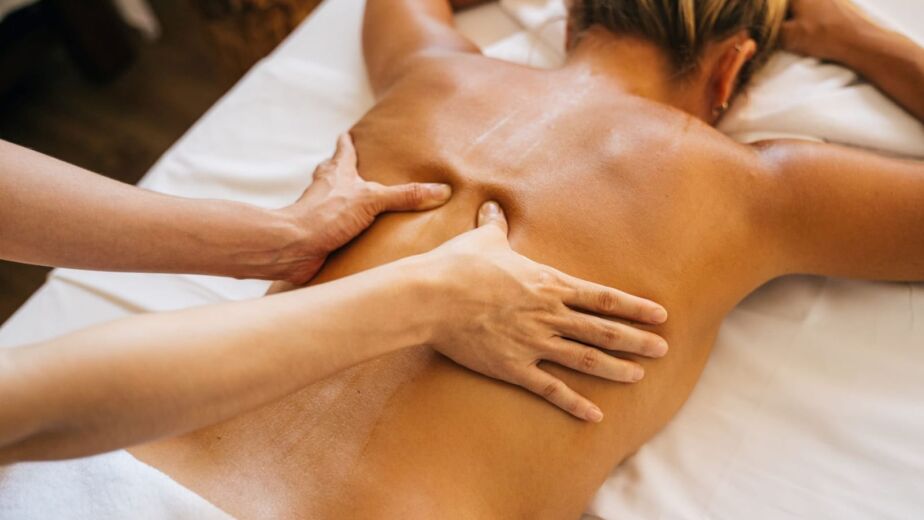
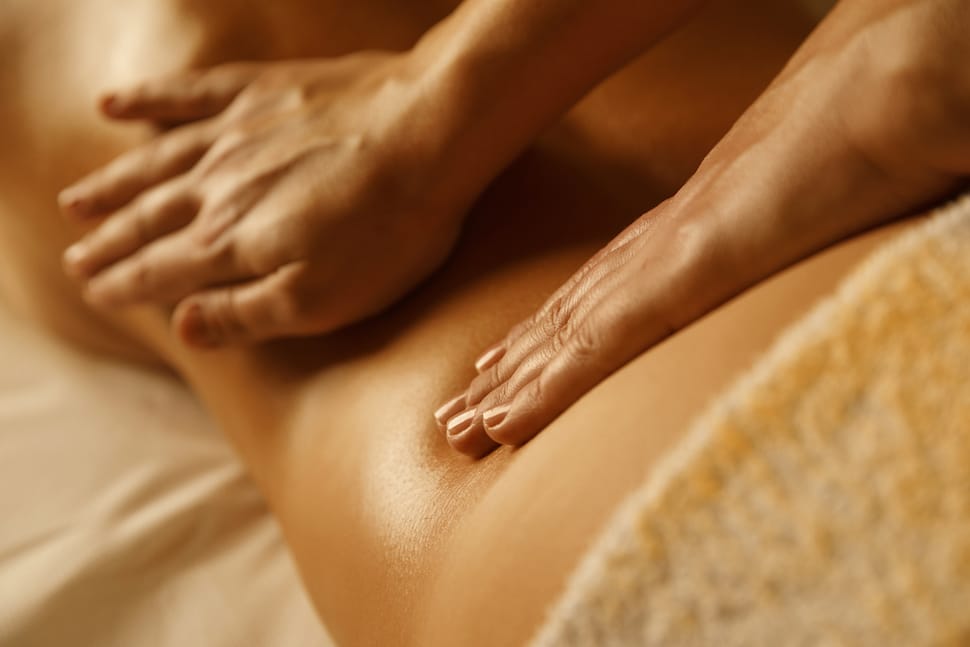
Deep tissue massage uses slow movements, sustained pressure and focused techniques to work on deeper muscle layers.
Unlike a gentle relaxation massage, it concentrates more closely on areas where tension has accumulated. The therapist may use their hands, fingers, forearms or elbows while adjusting the pressure according to your comfort level.
Deep tissue massage does not always need to feel extremely intense. A professional therapist should communicate with you throughout the session and adapt the treatment to your needs.
Common Causes of Muscle Tension in Dubai
Dubai’s fast-paced lifestyle can place considerable strain on the body. Many residents spend hours sitting at desks, using laptops or driving between meetings and appointments.
Muscle tension may be associated with:
- Prolonged sitting and poor posture
- Long hours in front of a computer
- Regular driving
- Stress and insufficient relaxation
- Frequent exercise or demanding workouts
- Repetitive movements
- Travel and long flights
- Inadequate stretching or recovery
Over time, these daily habits may leave certain muscles feeling stiff, tired or sensitive.
Targeted Attention for Tight Muscles
One of the main reasons people choose deep tissue massage is its focused approach.
Instead of providing only a general full-body relaxation experience, the therapist can spend additional time on areas that feel particularly tense. These commonly include the neck, shoulders, upper back, lower back, calves and legs.
By applying slow and controlled pressure, the therapist works to relax tight areas and improve overall comfort.
Helpful for Desk-Related Tension
Office professionals often experience discomfort around the shoulders, neck and upper back. Sitting for long periods may encourage rounded shoulders, a forward head position and reduced movement throughout the day.
Deep tissue massage can be incorporated into a broader wellness routine designed to address tension related to desk work. Regular movement, stretching, better workstation ergonomics and sufficient rest remain important as well.
A massage may provide a valuable opportunity to disconnect from work and give tired muscles focused attention.
A Popular Choice for Active Lifestyles
Deep tissue massage is also commonly chosen by people who exercise regularly.
Strength training, running, cycling and other physical activities can leave muscles feeling tired after intense sessions. A carefully performed massage may help promote relaxation and support a balanced recovery routine.
However, deep tissue massage should not be used to ignore a possible injury. Sharp pain, significant swelling, weakness, numbness or ongoing discomfort should be assessed by an appropriate healthcare professional.
It May Support Flexibility and Ease of Movement
Tight muscles can sometimes make everyday movement feel restricted. Turning the neck, reaching overhead or bending comfortably may become more difficult when certain areas are tense.
Deep tissue massage aims to reduce this feeling of tightness and encourage relaxation within the treated muscles. Many clients report feeling lighter and more comfortable after an appropriately tailored session, although individual experiences vary.
Massage works best as part of a wider wellness routine that may also include hydration, stretching, regular movement, adequate sleep and professional medical advice where necessary.
The Pressure Can Be Personalised
Some people avoid deep tissue massage because they assume it must be painful. In reality, the pressure should always be adapted to the individual.
Before the treatment begins, tell your therapist:
- Where you feel tension
- Whether any area is especially sensitive
- Your preferred pressure level
- Whether you have an injury or medical condition
- What you hope to achieve from the session
During the massage, communicate immediately if the pressure feels too strong or uncomfortable. Effective deep tissue work should be controlled and purposeful rather than unnecessarily painful.
Why Choose a Deep Tissue Home Massage in Dubai?
Travelling through Dubai traffic after a massage can interrupt the relaxed feeling created during the session. A home massage offers a more convenient alternative by bringing the therapist and required equipment directly to your location.
With deep tissue massage at home, you can:
- Avoid travelling to and from a spa
- Schedule the treatment around your routine
- Enjoy greater privacy
- Prepare a familiar and comfortable environment
- Rest immediately after the session
- Receive personalised attention in your preferred space
This can be especially convenient after work, following a demanding week or on a day when you simply want to stay at home.
What to Expect During the Session
Your therapist will normally begin by asking about your preferences, areas of tension and any relevant health considerations.
The session may start with lighter movements to warm the muscles before progressing to slower and more focused pressure. More time may be spent on the areas that require attention.
You should always inform your therapist about pregnancy, recent surgery, injuries, skin conditions, blood-clotting concerns, medication or any medical advice you have received regarding massage.
The therapist may need to modify or avoid certain techniques depending on your circumstances.
How Might You Feel Afterwards?
Some clients feel deeply relaxed and more comfortable immediately after the treatment. Others may experience temporary tenderness, particularly when an area has been very tense or when they are not accustomed to deeper pressure.
After the massage, it may help to:
- Drink water
- Rest when possible
- Avoid an unusually intense workout immediately afterwards
- Perform only gentle movement or stretching
- Monitor how your body responds
Severe pain, persistent discomfort or unusual symptoms should not be considered a normal massage response and should be discussed with an appropriate healthcare professional.
Who Should Seek Medical Advice First?
Deep tissue massage may not be suitable for everyone.
Consult a qualified healthcare professional before booking when you have:
- A recent injury, fracture or operation
- Severe or unexplained pain
- Significant swelling
- A blood-clotting disorder
- Osteoporosis
- An active skin infection or open wound
- Fever or an infectious illness
- Reduced sensation
- An ongoing medical condition that could be affected by massage
- Medical advice to avoid massage
Pregnant clients should disclose their pregnancy when booking so that an appropriate prenatal treatment and therapist can be arranged.
Experience Deep Tissue Massage in Dubai with Mai Tai
Mai Tai brings professional deep tissue massage directly to your home, hotel or preferred location in Dubai.
Our experienced massage therapists tailor each session according to your comfort, preferred pressure and areas of tension. Whether your muscles feel tight after long working hours, regular exercise or a demanding week, we provide a convenient wellness experience without the need to travel to a spa.
Book your deep tissue massage in Dubai with Mai Tai and enjoy personalised care in the comfort of your own space.